
Our History
Caritas’ roots in Australia began in 1962 as the Catholic Church Relief Fund (CCRF), later becoming the Catholic Overseas Relief Committee in 1964. In 1996, we officially became Caritas Australia. “Caritas” is Latin for love and compassion.
Today, we serve in 18 countries through 67 partnerships, walking alongside communities to bring hope, support and compassion to the world’s most vulnerable.
Who is Caritas
Caritas Australia is part of one of the largest humanitarian networks in the world, the Caritas Confederation.
For over 60 years, we have stood alongside marginalised communities to confront the challenges of poverty. Our global network of partners and local organisations enables us to reach those most in need—responding quickly in times of crisis and working long‑term to help communities build sustainable futures.
As the international aid and development agency of the Catholic Church, we work through a robust network of churches and community groups deeply familiar with local realities. We support all people regardless of religion, race, or political differences.
Guided by dignity, hope and compassion, we accompany people to drive their own development, drawing on local strengths and resources. Across Australia, we collaborate with parishes, schools and communities to advocate for a more just and equitable world.
What We Do
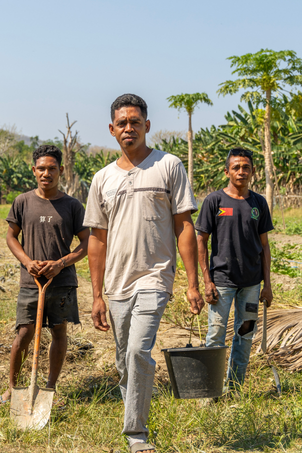
International Development
Across the Pacific, Asia and
Africa, we partner with communities to improve access to food,water, education, livelihoods
and sustainable development pathways.
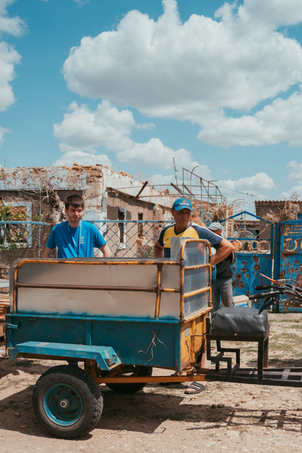
Humanitarian Aid
Caritas is a world leader in emergency response. We work with the international Caritas network to provide food, clean water, emergency shelter, hygiene kits, cash assistance and long‑term recovery support after disasters
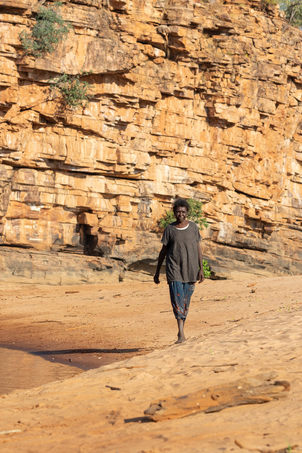
First Australian Partners
We support programs designed and led by First Australians. Guided by subsidiarity, we walk alongside communities to strengthen cultural identity, support intergenerational healing and keep culture alive.
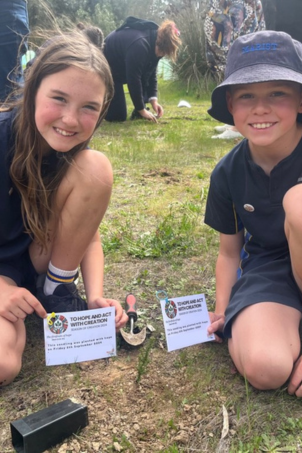
Social & Ecological Justice
Schools, parishes and community engagement inspire action on social and ecological justice. Our Catholic Earthcare program empowers communities to pursue climate justice, while Project Compassion unites Australians each Lent in prayer, learning, action and giving.
Our Approach
Caritas Australia’s approach is community‑led, strengths‑based and grounded in Catholic Social Teaching. Each year, our programs contribute to:

Responding
to humanitarian emergencies around the world.

Implementing
disaster risk reduction strategies.
Helping
rural communities with sustainable agricultural practices.

Building
water catchments, so communities have access to fresh, clean water and are able to grow crops.

Providing
support to women around the world for education, women's rights, and counselling.

Training
vulnerable people to learn new skills to grow their incomes.

Alleviating
poverty in Indigenous Australia supported.

Advocating
for fair and just policies in Australia.
The lives transformed through your compassion
Read about the impact that your support achieves. Inspiring stories of strength, resilience and change, that are made possible with your support and generosity.
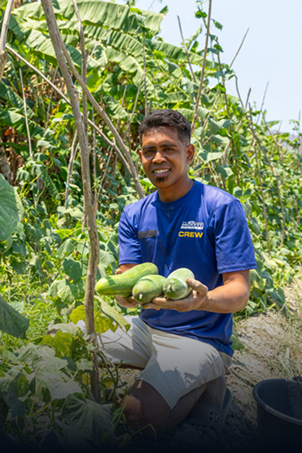
Chiquito,
Timor Leste
Chiquito, a farmer and father in Timor Leste, transformed his family’s livelihood through sustainable agriculture training. With support from our partner Caritas Diocesana Maliana, he increased crop production, improved market access, and became a role model for other farmers in his community.
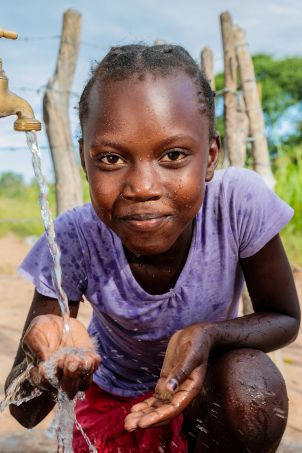
Thandolwayo, Zimbabwe
Twelve-year-old Thandolwayo would walk seven kilometres each day, threatened by crocodiles, to collect contaminated water for her family. It looked like she would never realise her hope of finishing her education and becoming a nurse, until a Caritas Australia supported project created access to clean water helping Thandolwayo to stay at school and achieve a future full of hope.
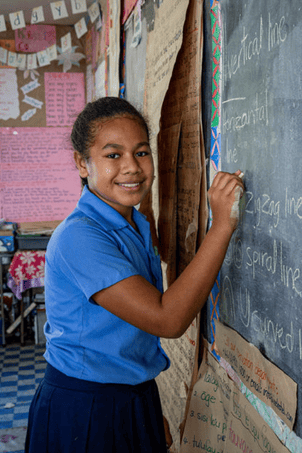
Toefuata'iga,
Samoa
Toefuata'iga, a 13-year-old student in Samoa, faced severe challenges and disruptions to her learning due to water scarcity. After Caritas Australia’s partner Caritas Samoa installed a 10,000 litre water tank at her school, Toefuata'iga and her classmates saw improved health and more consistent class attendance.
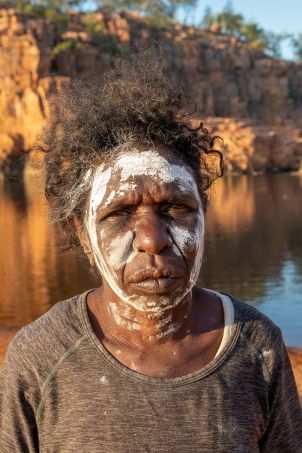
Janice, First Australians
Janice is a Wagilak woman living on Jawoyn country in Arnhem Land in the Northern Territory. With your generous help, Caritas Australia supports Djilpin Arts Aboriginal Corporation to run an arts and culture centre in the Northern Territory that provides employment and training for First Australians like Janice.
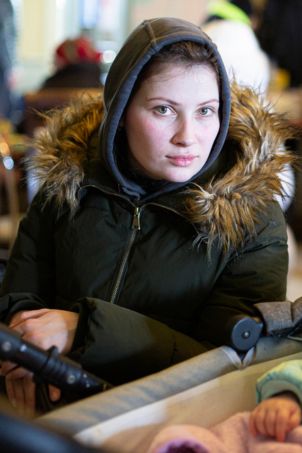
Illyena, Ukraine
23-year-old Ilyena, her husband Andrei and their 9-month-old son Bagdan, decided to flee Kharkiv. It took them six days to drive to the Polish border. After they crossed, volunteers from Caritas Poland helped Illyena access a sheltered room for mothers and children, where she can access the necessities she needs to care for Bagdan.
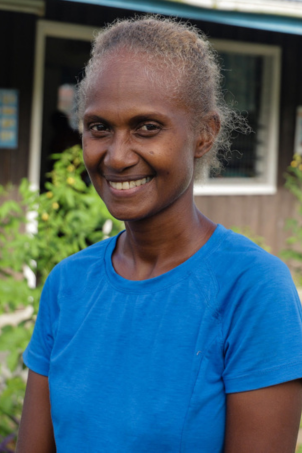
Margret, Solomon Islands
Margret is a teacher at a vocational school for deaf students in the Solomon Islands that suffered long-term water shortages and damage from Tropical Cyclone Harold. With Caritas Australia’s support, Margret’s school installed water tanks, repaired cyclone damage and implemented COVID-19 prevention measures, and is now planning to boost food security
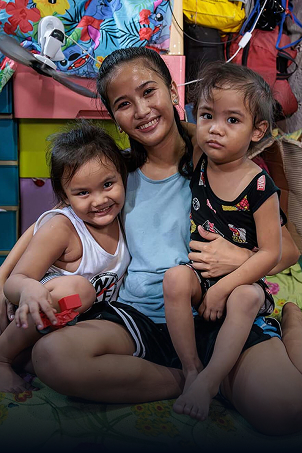
Ronita, Philippines
After the birth of her children, 22-year-old Ronita was at risk of having to leave school permanently. But with the support of Caritas Australia’s partners in the Philippines, she resumed her studies and now has a job to support her family.
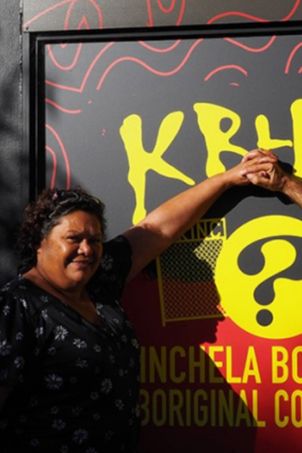
Kinchela Boys Home (KBHAC)
Kinchela Boys Home Aboriginal Corporation (KBHAC) was formed by the survivors of Kinchela Boys Home in Kempsey, New South Wales, who were forcibly removed from their families during childhood, part of the Stolen Generations. It aims to support these men, their families and communities in developing healing programs to restore and reconstruct their identity, dignity and integrity.
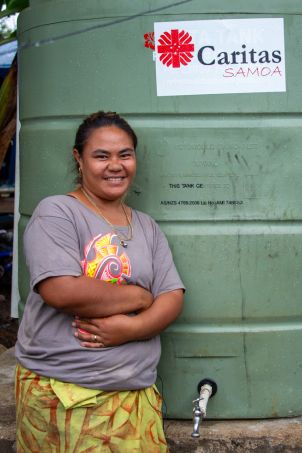
Leaia, Samoa
Not having access to a reliable source of clean water was very difficult for Leaia and her family. But with the support of Caritas Australia, a water tank was installed at their home, improving their health and living conditions.
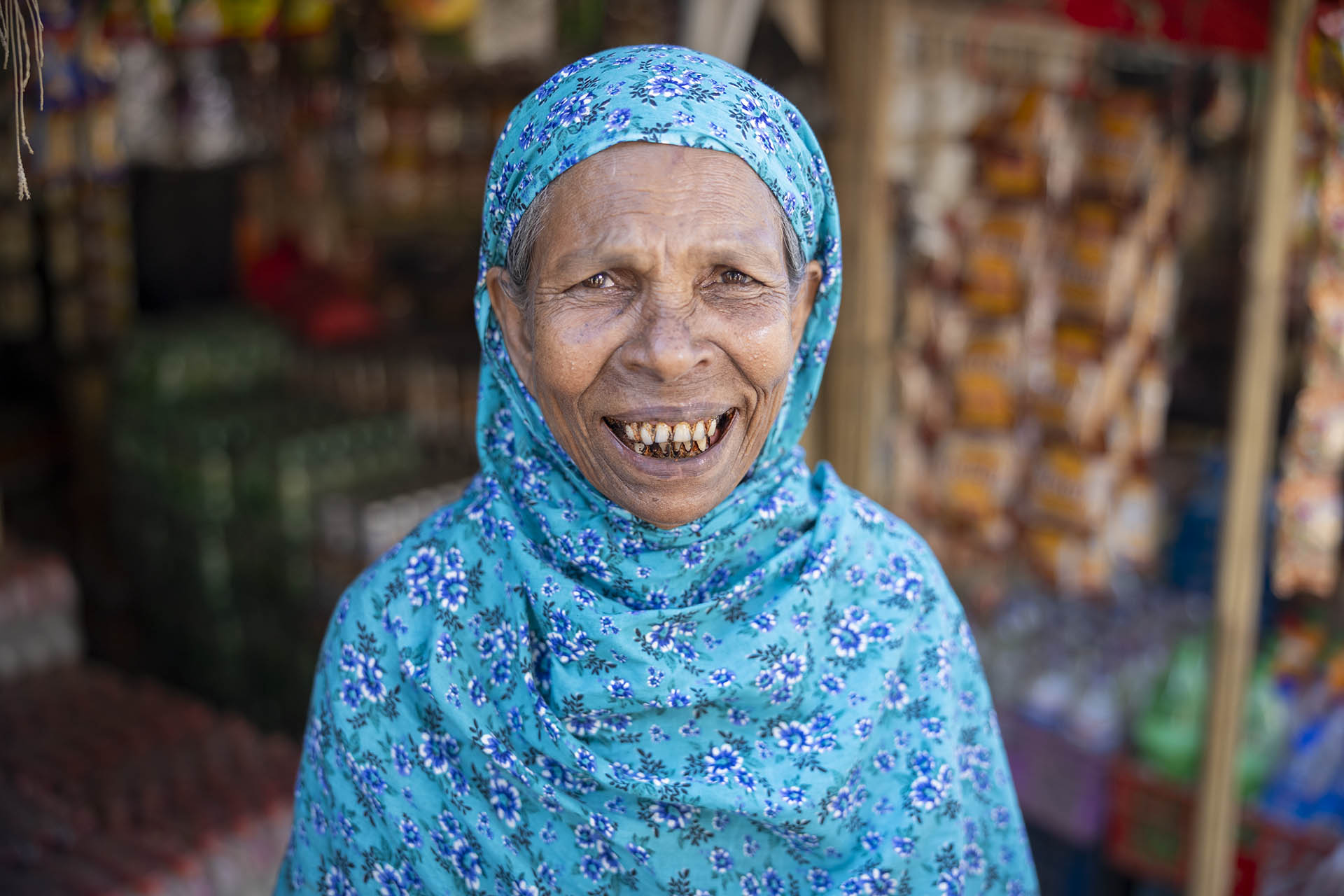
Sakhina,
Bangladesh
Sakhina is a Rohingya refugee living in the world's largest refugee camp in Cox's Bazar. With the support of Caritas Bangladesh, Sakhina and her daughter, Noor, were able to access essential support, including clean water and sanitation.